Every slot player has heard the same tired advice: the machine is due for a payout. It's said with total confidence, usually right before someone feeds another hundred into a spinning reel. The problem is, it's completely false — and believing it is one of the fastest ways to turn a fun session into a frustrating one. The truth about virtual slots is both less magical and more useful: these games are governed by math, not memory, and understanding that math is the only real edge a player has.
Slots Don't Remember You
A modern video slot is a random number generator wrapped in carefully designed visuals. Every spin calls up a number between one and several billion, and that number determines where every reel stops. The machine has no idea you've lost eight spins in a row. It has no idea you've won eight in a row either. Each result is independent, which means the concept of being "due" simply doesn't apply.
What players call a "loose" machine is often just variance working in their favor for a stretch. What they call a "tight" one is the same machine during a cold patch. A familiar example is a classic three-reel game with a 95% return-to-player rate. Over millions of spins, that game returns about $95 for every $100 wagered. But in any given session, the difference between that theoretical number and your actual result can be enormous. A player can sit down with $50, hit a 500x multiplier on spin three, and walk away with $250. Another player can lose that same $50 over two hours without a single meaningful hit. Both experiences are entirely consistent with a 95% RTP game.
Volatility Is the Number That Actually Shapes Your Session
RTP tells you what happens over the long run. Volatility tells you what happens tonight, which matters far more to the average player. Two games can share the same 96% RTP and feel completely different.
- Low volatility: frequent small wins. Your bankroll lasts longer, but the ceiling on any single spin is modest. Think classic fruit machines with steady three-of-a-kind payouts.
- Medium volatility: a balance many players settle into. Reasonable hit frequency, occasional 20x to 100x wins, and a session that won't drain instantly.
- High volatility: long dry spells punctuated by rare but massive payouts. A game with a 50,000x max win is thrilling, but you may lose $100 before seeing a single win above your stake.
This distinction explains why two players can argue endlessly about the same game. One stumbled into a bonus round on spin ten; the other lost their budget over 300 spins and never saw a feature. The game behaved exactly as designed both times. Matching volatility to your bankroll and temperament is a far more practical strategy than chasing a machine you believe is heating up.
Reading the Fine Print That Actually Matters
Every legitimate slot publishes its rules, and most players never open them. That's a mistake. Three details are worth checking before you commit real money. If you want to dig deeper, mahjong way 1 is worth a look.
- RTP percentage. Look for 96% or higher. Some games are quietly configured at 94% or even 92% on certain platforms, and over thousands of spins that gap is meaningful.
- Max win cap. A game advertising a 10,000x maximum might cap your actual payout at a fixed dollar amount regardless of the multiplier. Know the ceiling before you chase it.
- Bonus buy terms. If you can purchase a feature for 100x your stake, check whether that purchase contributes to wagering requirements differently than base spins.
None of this is hidden. It's in the help menu, often one tap away. Spending ninety seconds there is worth more than any hot-streak theory.
Where Poker Demands the Opposite Mindset
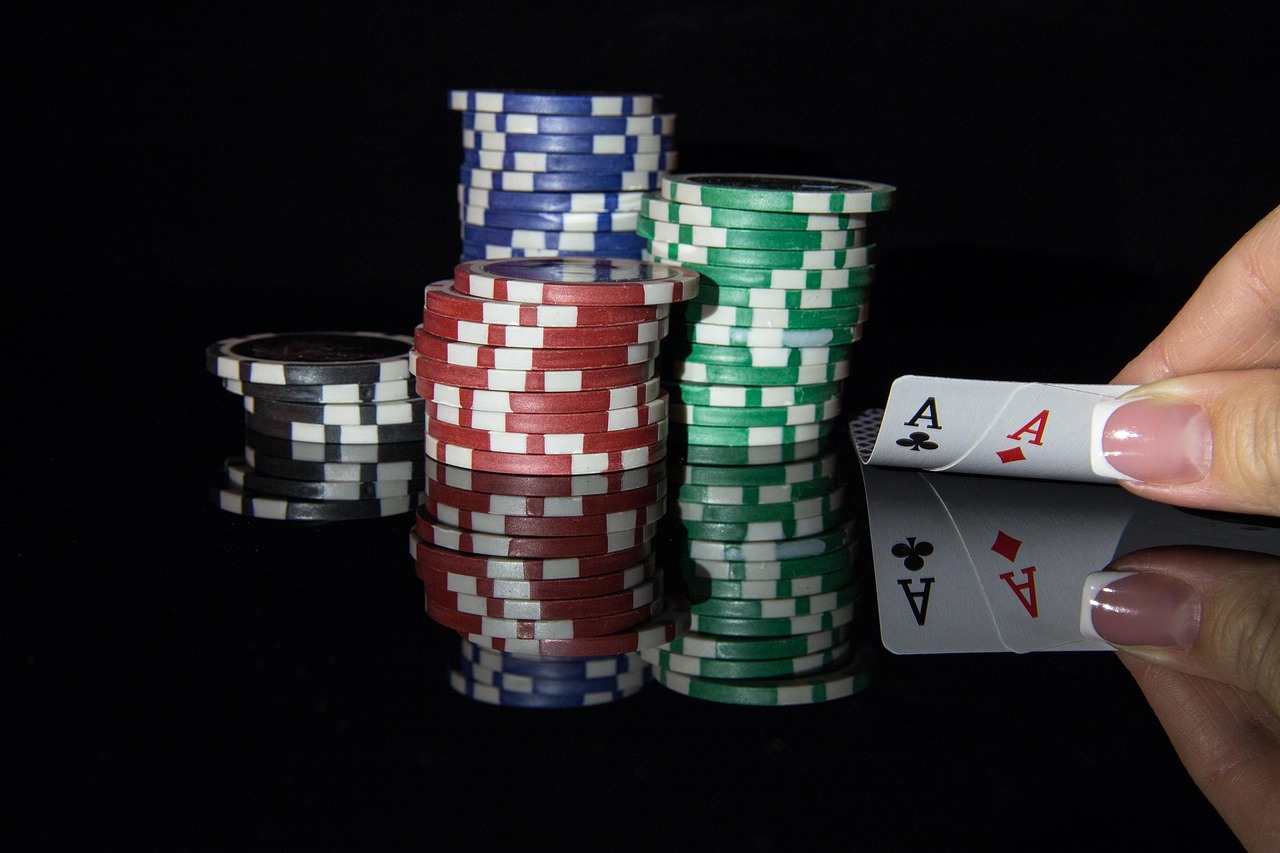
Here's the interesting part: in poker, the machine does have memory — it's the other players. Slots are pure chance with a fixed house edge, but poker is a game of skill where your decisions directly affect your long-term results. That's why serious players treat these two worlds so differently.
A slot player's best move is usually bankroll discipline and game selection. A poker player's best move is study, position awareness, and reading opponents. In Texas Hold'em, playing tight-aggressive from late position and folding marginal hands from early position is a repeatable edge that compounds over thousands of hands. No such edge exists on a spinning reel — the RNG doesn't care how well you play.
If you enjoy both, resist the urge to apply poker logic to slots. Hunting for a "weak table" makes sense in a cash game. Hunting for a "loose machine" is a fantasy.
Practical Habits That Separate Disciplined Players From Casual Ones
Most players who stay in control year after year aren't luckier. They're simply better at the unglamorous stuff.
- Set a loss limit before you log in, not after you're down. Decide the number, and treat it as absolute.
- Never chase a loss by increasing stakes. That's the single most common path to a bad night.
- Use time limits. Slots are designed to make hours feel like minutes. A timer is a genuine tool, not a buzzkill.
- Take breaks after big wins. Euphoria leads to reckless bets faster than loss does.
- Play for entertainment, not income. The moment slots become a plan to pay rent, the math turns hard against you.
None of these habits require special knowledge. They require honesty about why you're playing. A player who sits down with $100 they can afford to lose and a clear two-hour window has already won the part of the game that matters.
There's no trick that beats the house edge — if there were, the industry would look very different. But there is a smarter way to approach these games: understand the math, respect volatility, read the terms, and keep your limits firm. Do that, and a losing session stays a cheap evening instead of a disaster. And occasionally, when variance lands in your favor and the reels line up, you'll enjoy the win without ever having fooled yourself into thinking you had it figured out.